

India ranks among the top countries for innovation, yet still appears on the USTR’s 2023 Priority Watch List for weak IP enforcement. For ambitious Indian entrepreneurs, the United States offers stronger protection for inventions and global credibility. This guide shows you exactly how to patent your idea and commercialize it into a global asset.
Understanding Intellectual Property (IP) Rights in the United States
The American IP system gives inventors control, profit and peace of mind. Whether it’s a tech breakthrough or a new product design, strong protection for inventions ensures your innovation earns recognition and revenue on a global stage. So, Indian inventors, let’s dive into how you can secure and commercialize yours.
Why Protect Your Innovation in the U.S. Market
For Indian innovators, filing for IP protection in the U.S. unlocks powerful advantages:
- Global Market Edge: Secure your invention in the world’s biggest innovation hub.
- Boost Valuation: A U.S. patent adds credibility and market worth, laying the foundation for patent monetization.
- Investor Magnet: Global investors prefer IP-backed ventures.
Ways to Protect Your Invention in the USA
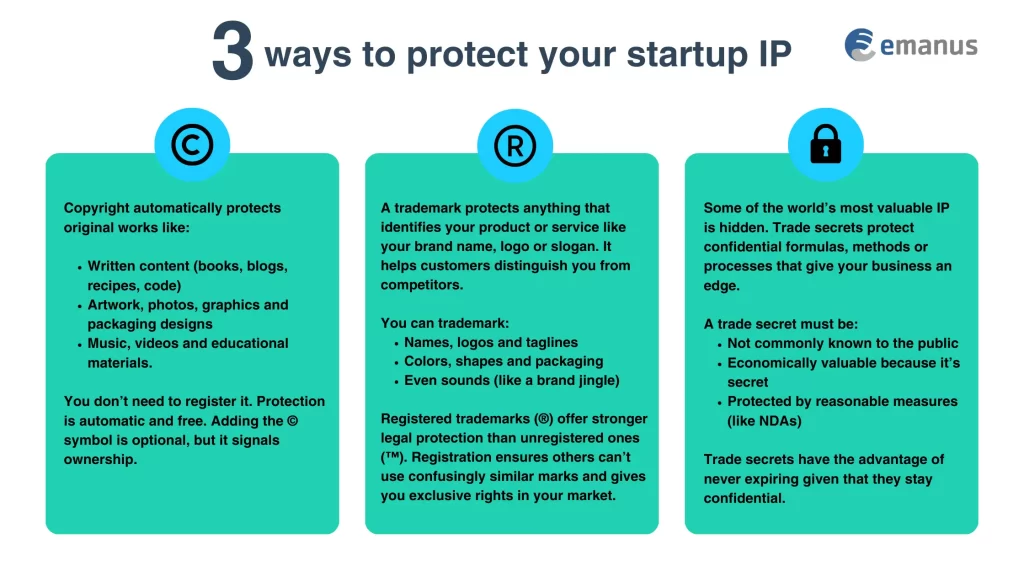
- Patents – Protect new inventions by Indian startups like Zoho.
- Trademarks – Safeguard brand names or logos like Tata Motors or Byju’s.
- Copyrights and Trade Secrets – Shield creative works or confidential data like Infosys’s proprietary software algorithms.
Step-by-Step Process to Protect an Invention in the USA
Step 1: Check if Your Invention Qualifies
Ensure it’s new, useful and non-obvious.
Step 2: Conduct a Patent Search
Use tools like the USPTO Patent Database or Google Patents to confirm your idea’s originality.
Step 3: Choose the Right Patent Type
Most Indian inventors pick between a Utility Patent (for new products, software or processes) or a Design Patent (for visual designs).
Step 4: File a Provisional or Non-Provisional Application
Start with a Provisional Patent to claim an early filing date. Then, submit a Non-Provisional Application for formal review.
Step 5: Hire a U.S. Patent Attorney
A registered U.S. patent attorney helps draft claims, handle USPTO communication and improve approval chances. It’s valuable for first-time Indian applicants.
Step 6: Pay the Required Fees
Expect total filing and legal costs between $3,000–$10,000, depending on your invention’s complexity.
Step 7: Respond to USPTO Queries Promptly
If the USPTO requests clarifications or revisions, respond within 3–6 months.
Step 8: Maintain Your Patent
Once approved, utility patents last 20 years and design patents last 15 years. Pay maintenance fees periodically to keep your protection active.
Costs and Timelines to File a U.S. Patent
The total cost of filing a U.S. patent depends on your entity size and invention complexity. Individual Indian inventors and startups often qualify for small or micro-entity discounts, reducing overall expenses.
- Filing Fees: $65–$325 (for provisional or non-provisional applications)
- Search Fees: $154–$770
- Examination Fees: $176–$880
- Attorney Fees: $2,000–$10,000 (varies by technical field)
- Maintenance Fees: $430–$8,280 at 3.5, 7.5, and 11.5 years
From filing to approval, expect 18–30 months for a complete patent grant. Planning early helps Indian innovators align protection with product launch and commercialize faster.
How to Commercialize Your Invention in the U.S. Market
- Study the Market – Research U.S. demand, audience needs and competitors before investing.
- Build a Team – Combine tech skills with business and marketing expertise.
- Make a Business Plan – Outline goals, pricing, target customers and launch strategy.
- Get Funding – Explore angel investors, VCs or incubators that support patent monetization and invention licensing.
- Choose a Model – Either manufacture and sell it yourself or look into invention licensing.
- Grow and Expand – Scale gradually, improve your product and explore new U.S. markets.
Common Mistakes Indian Innovators Should Avoid
- Delaying your application
- Weak patent claims
- Not keeping up with law updates
Conclusion:
For Indian innovators ready to go global, this is your moment to act. Your groundbreaking idea deserves a global stage. A U.S. patent doesn’t just safeguard your invention; it opens doors to long-term profits.
Don’t let your innovation gather dust. Partner with Emanus IP to protect and commercialize your invention in the U.S. effortlessly. Our experts simplify the legal maze so you can focus on what matters – building the future.
Frequently Asked Questions
1. How can an invention be protected?
An invention can be protected by filing a patent with the U.S. Patent and Trademark Office (USPTO) to secure exclusive rights.
2. How to protect intellectual property in the USA?
You can protect IP in the USA by registering patents, trademarks, copyrights or trade secrets, depending on your creation.
3. How can an invention be protected?
An invention is protected by applying for a patent, which stops others from making, using or selling your idea without permission.
4. How to commercialize an invention?
You can commercialize an invention by licensing it to other companies, manufacturing and selling it yourself or partnering with investors.
5. What is the legal protection for a new invention?
The legal protection for a new invention is a patent, which gives the inventor exclusive rights for up to 20 years.
6. Can Indian inventors apply for a U.S. patent without living in the United States?
Yes. Indian inventors can apply for a U.S. patent remotely through the USPTO by hiring a registered U.S. patent attorney.
7. How much does it cost to patent an invention in the U.S. from India?
The total cost usually ranges between $5,000 and $15,000, depending on the complexity of the invention and attorney fees.