
Looking to expand your business globally? Protecting your brand in the United States is a critical step. For international entrepreneurs, understanding trademark requirements and completing U.S. trademark registration is your key to legal protection, credibility and long-term growth in the world’s largest consumer market.
This guide explains how non-U.S. residents can register a trademark in 2026. Here’s your complete roadmap to U.S. trademark success.
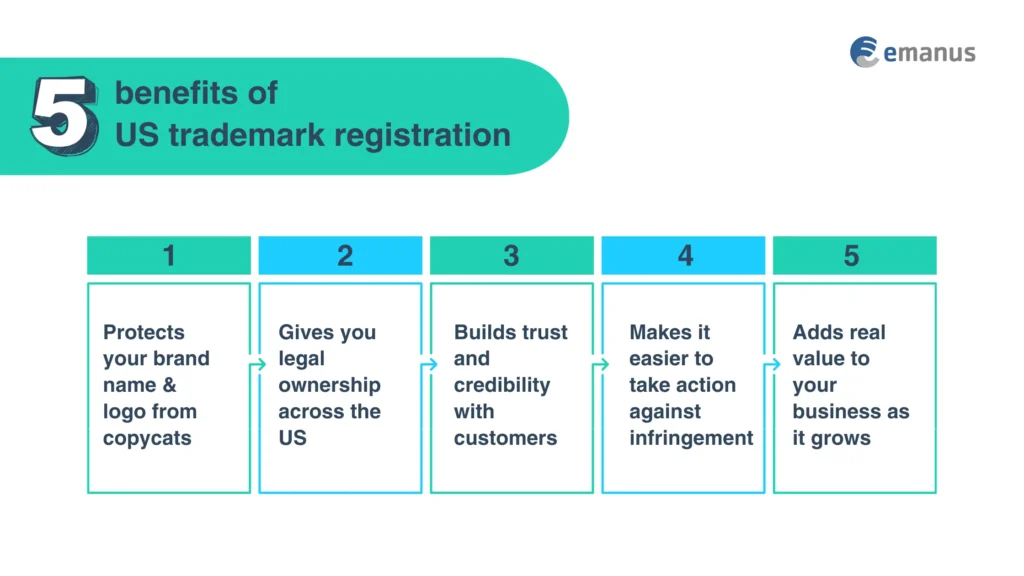
Why U.S. Trademark Registration Matters
The United States is home to millions of consumers and one of the most competitive markets in the world. Meeting trademark requirements ensures your brand:
- Provides federal legal protection across the entire country
- Enables lawsuits against counterfeiting or infringement
- Is required for Amazon Brand Registry and other e-commerce platforms
- Boosts investor confidence and international credibility
Who Handles Trademarks in the U.S.?
All trademark registrations are managed by the United States Patent and Trademark Office (USPTO). While both domestic and international applicants can apply, non-U.S. residents must work with a U.S.-licensed trademark attorney.
Since 2019, filing without a U.S. attorney can lead to automatic rejection. Understanding trademark requirements is essential to ensuring a smooth filing process.
Step-by-Step U.S. Trademark Registration Process
1. Conduct a Trademark Search
Before filing, check if your mark already exists using the USPTO’s Trademark Electronic Search System (TESS). This step ensures your application meets all trademark requirements and avoids rejection.
2. Decide on a Filing Basis
Applications are filed under one of two bases:
- Use in Commerce: The trademark is already active in U.S. sales
- Intent to Use: You plan to use the trademark in the future (most common for foreign applicants)
Before registration is finalized, you must show actual use in U.S. commerce, which is a key part of trademark specimen requirements.
3. Select the Correct Trademark Class
Trademarks are categorized using the Nice Classification system. Each class corresponds to specific goods or services (e.g., software = Class 42, cosmetics = Class 3). Selecting the wrong class can limit protection or cause rejection. Multiple classes are allowed but require separate fees.
4. Prepare and Submit Your Application
Use the USPTO’s TEAS (Trademark Electronic Application System) to submit:
- Trademark name, logo, and description
- Statement of use or intent to use
- Selected class of goods/services
- Applicant and U.S. attorney details
Accuracy is critical. Mistakes can lead to delays or rejection and can violate trademark requirements.
5. Pay the Filing Fees
In 2026, fees typically range from $250–$350 per class, non-refundable. Planning a thorough search before filing avoids unnecessary costs.
6. USPTO Examination and Office Actions
A USPTO Examining Attorney reviews your application within 3–6 months. You may receive an Office Action, which requires a formal response through your attorney to avoid cancellation.
7. Publication and Opposition Period
Approved applications are published in the Official Gazette for 30 days. Third parties may object during this period. If no opposition is filed, your trademark moves toward registration.
8. Registration and Certificate Issuance
Once approved, the USPTO issues digital and physical certificates. This grants federal protection and allows the use of the ® symbol. Trademarks must be renewed every ten years, with a Declaration of Use filed between the 5th and 6th year.
Required Documents for Non-U.S. Applicants
International applicants must provide:
- Trademark name and logo
- Description of goods/services
- Passport or company formation documents
- Statement of use (if applicable)
- Power of attorney for the U.S. attorney
All documents must be in English or accompanied by a notarized translation.
Do You Need a U.S. Attorney?
Yes. A U.S.-licensed attorney:
- Ensures proper filing and documentation
- Handles Office Actions and USPTO communications
- Increases approval chances and avoids costly errors
For non-U.S. innovators, hiring an attorney is mandatory and ensures all requirements of a trademark are met.
Special Considerations for Amazon Sellers
Sellers on Amazon must have a U.S. trademark to enroll in Amazon Brand Registry. This provides:
- Protection against counterfeit products
- Brand identity enforcement
- Custom storefronts and brand storytelling
Without a registered trademark, access to these tools is restricted.
Global Benefits of the U.S. Trademark
A U.S. trademark is respected worldwide. It:
- Simplifies registrations in Europe, Canada, Australia, and other Madrid Protocol countries
- Enhances credibility with international investors
- Strengthens your brand for licensing, franchising, and partnerships
Key Takeaways for 2026
- Non-U.S. residents must work with a U.S. attorney
- Conduct thorough searches before filing
- Select the correct trademark class
- Use proper filing basis and documentation
- Plan for renewals and Declaration of Use
Registering a U.S. trademark is a critical investment in your global brand. By following the process carefully, non-U.S. entrepreneurs can secure protection and open doors to international growth.If you’re launching a startup, then don’t miss our trademark guide How to Apply for a Trademark: Essential Tips and Guidelines – Emanus
Final Thoughts
Global expansion starts with brand protection. Don’t risk delays, rejection or legal disputes. Emanus provides full support for international entrepreneurs registering U.S. trademarks, from searches to approvals. Take control of your brand’s future by collaborating with us.
Learn more about applying for a trademark in the U.S. with our expert guide How to Apply for a Trademark: Essential Tips and Guidelines – Emanus.
FAQs
Is a trademark required to sell on Amazon?
Yes, a registered U.S. trademark is mandatory for Amazon Brand Registry, protecting your brand and products from counterfeiting.
What are the three requirements of a good trademark?
It must be distinctive, non-generic and legally protectable, clearly identifying your brand.
What qualifies as a trademark?
Words, logos, slogans or symbols that identify and distinguish your products/services.
How much does it cost to trademark?
Typically $250–$350 per class for USPTO filing, plus any attorney fees.
Should I get a trademark or LLC first?
Forming an LLC protects your business legally; a trademark protects your brand. Usually, form the LLC first, then secure your trademark.
Can I trademark a logo myself?
Yes, but a U.S.-licensed attorney ensures proper filing, classification, and higher approval chances.